

AnandiBhi
New member
If you are experimenting with graphics, shaders, or game development, one important habit is to Test Your GPU Now before pushing advanced visual effects into production. Many developers underestimate how demanding volumetric rendering can be until they see sudden frame drops or overheating issues.
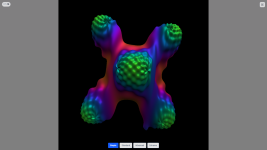
Volumetric shaders simulate light interacting with particles such as fog, smoke, and clouds. While they create impressive cinematic visuals, they also require repeated calculations per pixel. Techniques like raymarching increase GPU workload significantly, especially when step counts are high.
Common signs your GPU is under stress include:
Are you currently testing graphics heavy features on your system? What tools do you use to monitor GPU performance and frame timing? Let’s discuss.
Volumetric shaders simulate light interacting with particles such as fog, smoke, and clouds. While they create impressive cinematic visuals, they also require repeated calculations per pixel. Techniques like raymarching increase GPU workload significantly, especially when step counts are high.
Common signs your GPU is under stress include:
- FPS instability
- Increased fan noise
- Higher GPU temperatures
- Frame time spikes
Are you currently testing graphics heavy features on your system? What tools do you use to monitor GPU performance and frame timing? Let’s discuss.