

affordablemedicaltreatmen
Member
The digital display industry has experienced explosive growth over the last decade. Whether you are walking through a high-end corporate lobby, attending a massive outdoor music festival, or participating in a modern weekend worship service, captivating visuals are now a standard expectation. Audiences no longer just want to hear a message; they expect to be visually immersed in it.
If you are planning an audiovisual upgrade or organizing an upcoming event, you already know that LED technology offers unbeatable brightness, contrast, and clarity. However, a major decision awaits you before you finalize your budget: Should you invest in a fixed installation, or does your project require a rental LED display?
Understanding the structural, financial, and operational differences between these two display types is critical to maximizing your return on investment (ROI). In this comprehensive guide, we will explore the unique advantages of both fixed and rental systems to help you choose the perfect solution for your next project.
Understanding Fixed LED Displays
As the name implies, a fixed LED display is designed for a permanent installation. Once it is built, wired, and calibrated, it remains in that exact location for years to come. These screens are structurally integrated into the architecture of a building—mounted flat against walls, suspended securely from reinforced ceiling beams, or built into custom alcoves.The Advantages of Permanent Installations
Because they do not need to be constantly moved, packed, or reassembled, fixed displays are engineered differently than their rental counterparts. They often utilize standardized steel or iron cabinets that prioritize long-term durability over lightweight portability.1. Cost-Effective Hardware: Because the manufacturer does not need to engineer complex quick-lock mechanisms, ergonomic carrying handles, or ultra-lightweight touring frames, the physical cabinets for fixed screens are often more affordable per square meter compared to rental cabinets.
2. Seamless Architectural Integration: Fixed screens can be custom-sized to fit the exact dimensions of a room. For modern retail environments, control rooms, or corporate headquarters, investing in a high-resolution Indoor LED Display provides a breathtaking, bezel-free canvas that looks like a natural part of the building.
3. Low Ongoing Labor: Once the initial installation and commissioning are complete, operational labor is virtually zero. You simply turn the system on and run your content.
For sanctuaries aiming to modernize their space permanently, installing a fixed LED Video Wall for Worship is the ultimate upgrade. It replaces aging, faded projectors with a brilliant, self-illuminating centerpiece that will operate flawlessly for up to 100,000 hours, offering a permanent transformation of the worship environment.
Understanding Rental LED Displays
A rental LED display is engineered specifically for the rigorous demands of the touring, live event, and temporary staging industries. These screens are built to be assembled, torn down, packed into heavy-duty flight cases, transported in trucks, and reassembled in a new city the very next day.The Advantages of Rental Engineering
The core philosophy behind a rental display is efficiency and ruggedness. To survive constant handling, rental cabinets are manufactured from premium die-cast aluminum.1. Fast Installation and Teardown: Rental panels feature specialized quick-lock systems, ergonomic carrying handles, and alignment pins. A small team of AV technicians can build a massive, 20-foot-wide stage display in a fraction of the time it would take to bolt together a fixed system.
2. Extreme Durability and Edge Protection: Because the panels are constantly being stacked and unstacked, they feature robust edge-protection designs to prevent the delicate LED diodes on the corners from being damaged during transit.
3. Ultimate Versatility: Rental displays are modular wonders. A production company can use 50 panels to build a massive flat backdrop for a concert on Friday, and then split those same 50 panels into five smaller digital towers for a corporate convention on Monday.
If you are an event organizer, an AV integrator, or a production company looking to expand your inventory, studying a comprehensive Rental LED display detail guide will reveal how these versatile panels can quickly generate significant revenue across multiple clients and event types.
Which System is Right for Your Project?
To determine the best fit for your specific needs, you must ask yourself a few fundamental questions about your venue, your workforce, and your long-term goals.1. What is the Lifespan of the Project?
If you are outfitting a sports stadium, an airport terminal, or a retail shopping mall, a fixed installation is the obvious choice. The screen will become a permanent fixture of the real estate. Conversely, if you are organizing a three-day tech expo, a touring music festival, or a seasonal holiday event, investing in rental cabinets in flight cases is mandatory.2. How is Your Ministry Evolving?
Religious organizations represent a unique intersection of these two technologies. If your ministry operates out of a permanent building and wants to elevate the weekend experience, installing a permanent Church LED Screen as a fixed background is the most financially prudent choice. It gives the sanctuary a permanent, modern facelift without the need for daily setup.However, many modern ministries operate in a "portable church" model, renting out high school gymnasiums or movie theaters on Sunday mornings. For these mobile ministries, rental screens are essential. The AV volunteers can quickly roll the flight cases off a trailer, lock the die-cast aluminum panels together using the fast-rigging hardware, and have a stunning visual backdrop ready before the first congregant arrives. To explore how permanent setups can transform a sanctuary, you can view a dedicated LED display for church solution.
3. What is Your Structural Capacity?
Fixed screens, particularly older steel-cabinet models, can be heavy. They require a facility to have adequate load-bearing walls or reinforced structural steel. Rental screens, made of ultra-light die-cast aluminum, are significantly lighter and are designed to be easily flown from standard theatrical aluminum trussing or supported by temporary ground-stacking systems. Additionally, modern fixed screens now offer front-maintenance capabilities, meaning they can be mounted completely flat against a wall, saving valuable structural space.Partnering with a World-Class Manufacturer
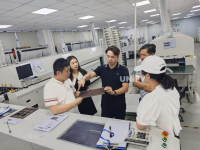
Whether your project dictates the unyielding permanence of a fixed installation or the rugged versatility of a rental fleet, your success hinges on the quality of your manufacturing partner.UnifyLED is a trusted, world-class LED display manufacturer in China, boasting a massive production facility covering over 3,000 square meters. With a dedicated, fully-staffed R&D and engineering team, UnifyLED has successfully delivered premium visual solutions to over 1,000 international projects in 58 countries—including the United States, Germany, Mexico, and Malaysia, serving top-tier clients like Mercedes-Benz and Gucci.
By purchasing directly from a proven factory rather than a third-party reseller, you guarantee that your project utilizes the highest quality components, meets rigorous global standards (including CE, EMC, LVD, FCC, and UL certifications), and stays well within your budget. From cutting-edge indoor corporate screens to road-ready stage rental panels, UnifyLED provides a true one-stop solution, offering everything from technical structural design to ongoing after-sales support. Contact UnifyLED today to bring your next visionary project to life.